
Introduction (PM Kisan 2026 Update)
The PM Kisan Yojana remains one of India’s most important financial assistance schemes for farmers. In 2026, the government introduced stricter verification rules, mandatory eKYC, and updated eligibility checks to ensure transparency. Many beneficiaries are still searching for installment dates, eligibility updates, and reasons for payment delays. This article provides a complete guide to PM Kisan 2026, including the new rules, eligibility requirements, payment schedules, and how to check your beneficiary status online.
PM Kisan 2026 Update: Check New Eligibility Rules, ₹6,000 Installment Date, and Beneficiary List
Outline
I. Synopsis
II. Introduction – Why PM Kisan 2026 Is Trending
III. What Is PM Kisan Yojana?
IV. What’s New in PM Kisan 2026 Update?
V. PM Kisan 2026 Eligibility Criteria Explained
VI. Reasons for Payment Delay in 2026
VII. How to Check Beneficiary Status Online
VIII. Installment Date & Payment Process
IX. Conclusion – What Farmers Should Do Now
Introduction – Why PM Kisan 2026 is Trending
PM Kisan 2026 update has become one of the most searched government scheme topics in India. Farmers across the country are actively checking whether their ₹2,000 installment has been credited and whether they are eligible under the new rules. With stricter verification and document checks introduced this year, many beneficiaries are facing delays and confusion regarding payments. As the government strengthens transparency measures, it is important for every registered farmer to understand the latest updates.
What is the PM Kisan Yojana? (PM Kisan 2026 Update)
The Pradhan Mantri Kisan Samman Nidhi (PM-KISAN) is a central government scheme aimed at providing financial assistance to small and marginal farmers. Under this scheme, eligible farmers receive ₹6,000 annually, which is transferred directly to their bank accounts in three equal installments of ₹2,000 each.
The scheme aims to ensure income stability for farmers and help them manage farming expenses such as seeds, fertilizers, irrigation, and other inputs. The Direct Benefit Transfer (DBT) system ensures that funds reach beneficiaries without intermediaries, thereby increasing transparency and reducing corruption.
What’s new in the PM Kisan 2026 update?
In 2026, the government has made eKYC mandatory for all beneficiaries. Without Aadhaar-based verification, installments cannot be credited. This step has been taken to eliminate fake registrations and ensure that only genuine farmers receive benefits.
In addition, land record verification has become more stringent. Officials are cross-checking ownership details to remove duplicate or ineligible entries from the beneficiary list. Farmers whose land records are not properly updated may face a temporary hold on payments.
These updates are intended to improve transparency, but have also caused delays for some beneficiaries who have not completed documentation.
PM Kisan 2026 Eligibility Criteria Explained
To qualify for benefits under the PM Kisan Yojana 2026, applicants must be Indian citizens and have cultivable land registered in their name. This scheme primarily supports small and marginal farmers who depend on farming for their livelihood.
However, certain individuals are excluded from the scheme. Income tax payers are not eligible. Government employees (except low-grade staff) who are working or retired are not included. Professionals such as doctors, engineers, chartered accountants, and lawyers are also not eligible.
It is essential that land records are updated and Aadhaar is properly linked to the bank account. Any discrepancies in the records may result in payment rejection.
Reasons for Delayed Payments in 2026
Many farmers have reported delays in receiving their ₹2,000 installment in 2026. One of the most common reasons is incomplete eKYC. Without Aadhaar authentication, the payment is automatically put on hold.
Incorrect bank details, such as an incorrect account number or IFSC code, can also cause transactions to fail. Another common issue is Aadhaar not being linked to the bank account. In some cases, errors in land ownership data can lead to removal from the beneficiary list.
Farmers should carefully verify all personal and banking information to avoid such problems.
How to Check PM Kisan Beneficiary Status Online
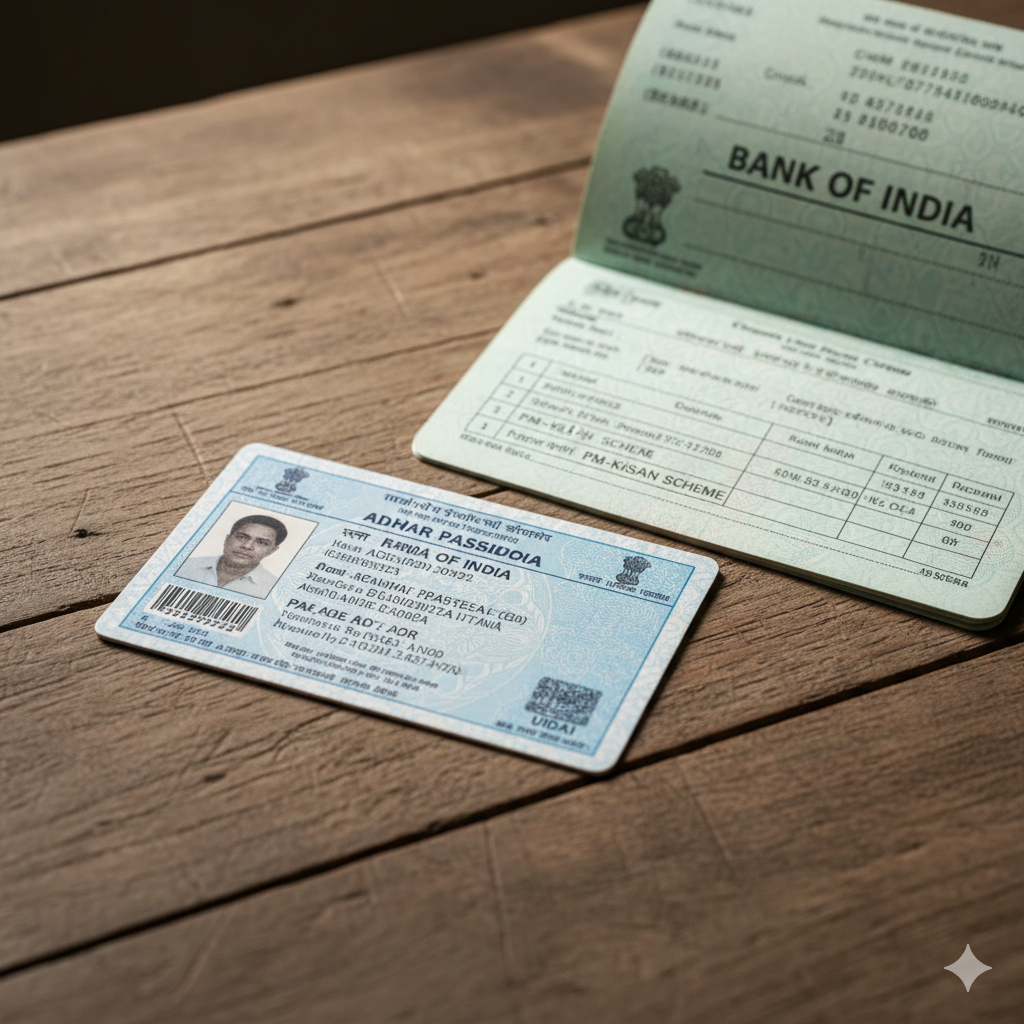
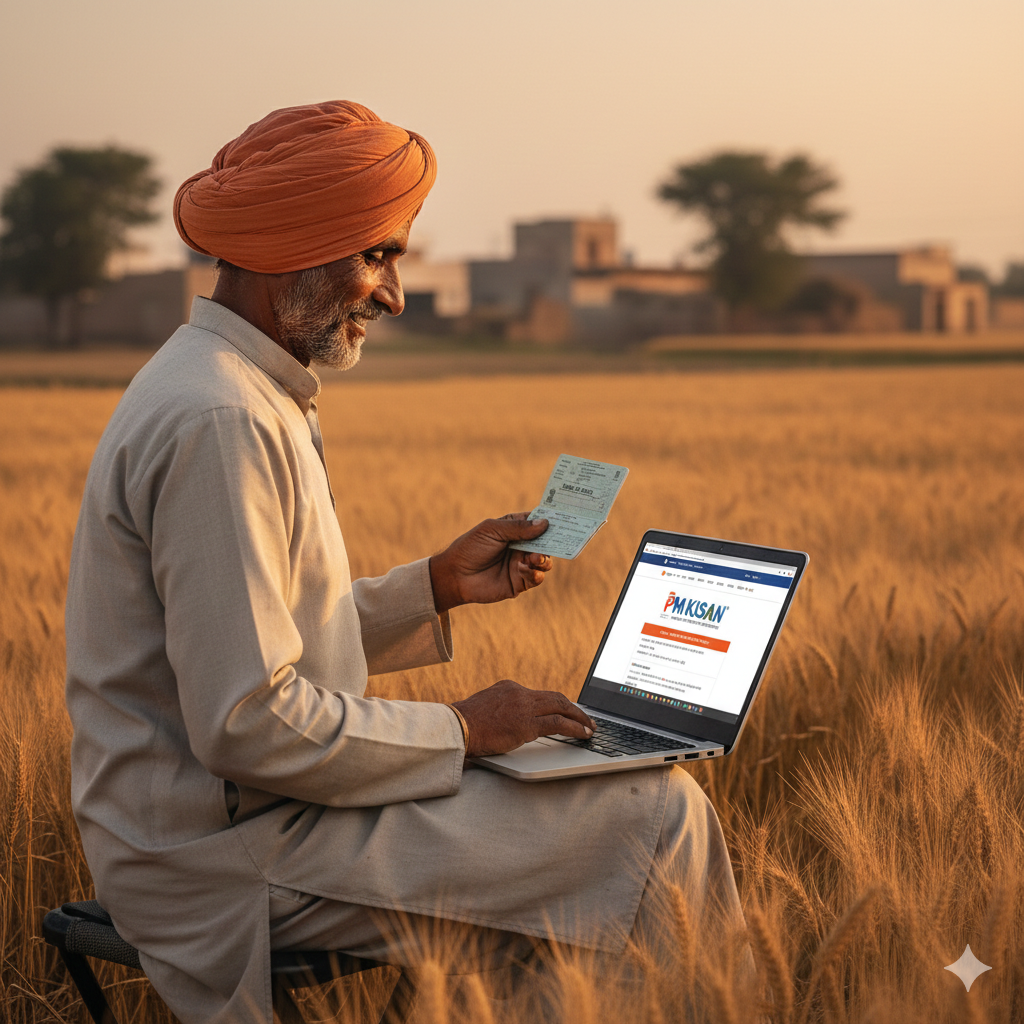
Farmers can easily check their beneficiary status through the official PM Kisan portal. By entering their state, district, block, and village details, they can verify if their name is on the updated list.
If a name is missing, immediate correction action should be taken. Completing pending eKYC, updating land records, or correcting bank details can help restore eligibility. Regularly checking the beneficiary list ensures that farmers remain informed about their payment status.
PM Kisan 2026 Installment Date and Payment Process
PM Kisan installments are typically released in three phases during the financial year. Payments are typically credited between April-July, August-November, and December-March. However, the exact dates may vary depending on when verification is completed.
Once approved, the funds are transferred directly to the beneficiary’s bank account through the Direct Benefit Transfer system. Farmers who have completed all the necessary verification steps usually receive their payments without any interruptions.
Ensuring proper Aadhaar linking and correct bank details is essential for smooth transactions.
Conclusion – What farmers should do now
The PM Kisan 2026 update has tightened verification criteria, but it continues to provide essential financial assistance of ₹6,000 per year to eligible farmers. Completing eKYC, maintaining accurate land records, and regularly checking beneficiary status are essential steps to avoid payment delays.
While the verification procedures may seem stringent, they aim to ensure that benefits reach genuine farmers who meet the eligibility criteria.
Frequently Asked Questions (FAQs) – PM Kisan 2026
- What is the latest update on PM Kisan 2026?
The latest PM Kisan 2026 update makes eKYC mandatory for all beneficiaries. The government has also tightened land record verification to remove ineligible farmers from the scheme. Only verified and eligible farmers will receive the ₹6,000 annual benefit under the PM Kisan scheme.
- Who is eligible for the PM Kisan scheme in 2026?
Farmers who are Indian citizens and have agricultural land registered in their name are eligible for PM Kisan 2026. Income tax payers, government employees (except low-level staff), and professionals such as doctors and engineers are not eligible under the scheme.
- When will the next PM Kisan 2026 installment be released?
PM Kisan installments are typically released in three phases during the financial year—April-July, August-November, and December-March. The exact payment date depends on the completion of verification and administrative processing.
- Why wasn’t my PM Kisan installment of ₹2,000 credited?
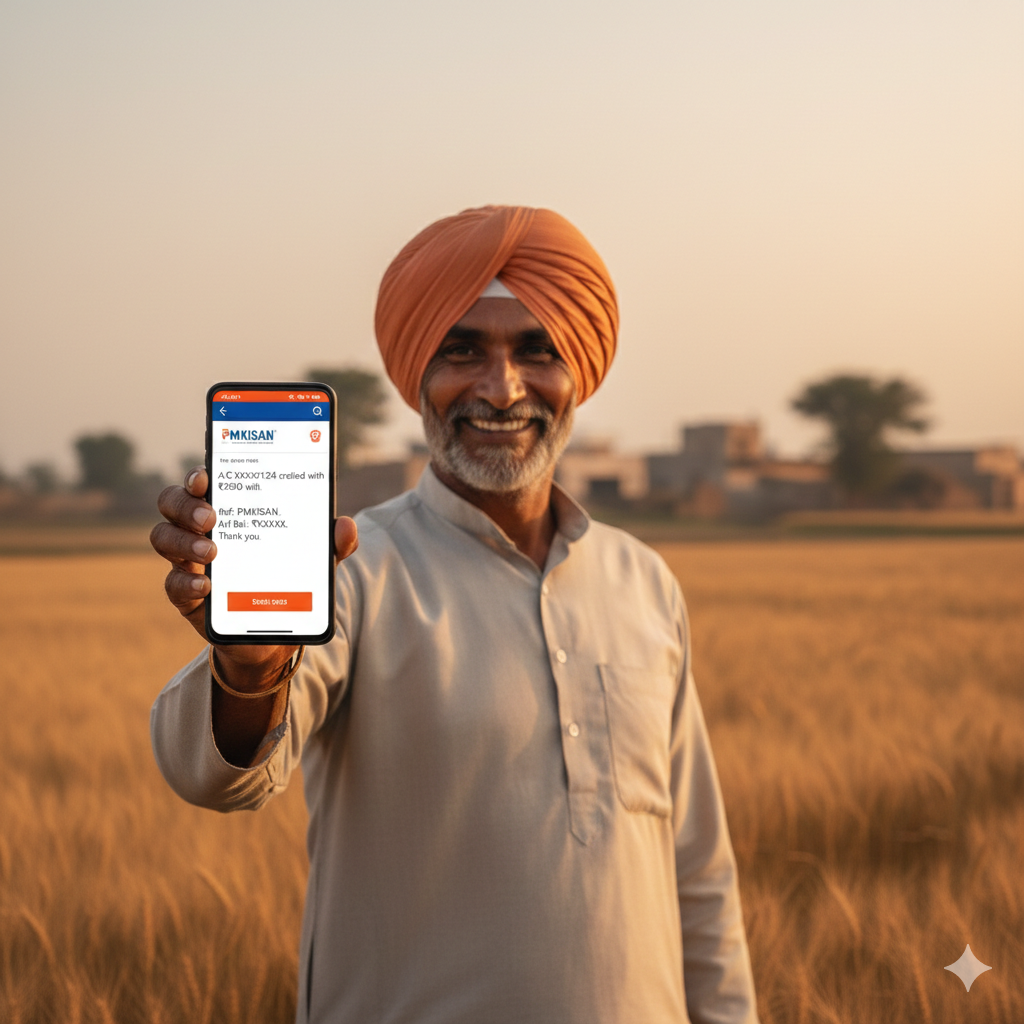
The most common reasons for delayed payments include incomplete eKYC, Aadhaar not linked to the bank account, incorrect bank details, and discrepancies in land ownership records. Beneficiaries should verify all details on the official portal.
- How can I check my name in the PM Kisan Beneficiary List 2026?
Farmers can check the beneficiary list by visiting the official PM Kisan portal and selecting their state, district, block, and village. If their name is missing, they should complete document verification immediately.
- Is eKYC required for PM Kisan in 2026?
Yes, Aadhaar-based eKYC is mandatory in 2026. Without completing eKYC, the installment will not be credited to the beneficiary’s bank account.
- How much money is provided under the PM Kisan Yojana?
Under the PM Kisan Samman Nidhi Yojana, eligible farmers receive ₹6,000 annually in three equal installments of ₹2,000 each through Direct Benefit Transfer (DBT).
- Can tenant farmers apply for PM Kisan 2026?
No, only farmers whose agricultural land is registered in their name are eligible. Tenant farmers or sharecroppers are generally not covered under this scheme unless the land ownership is officially recorded.
Thanks for vising us.