
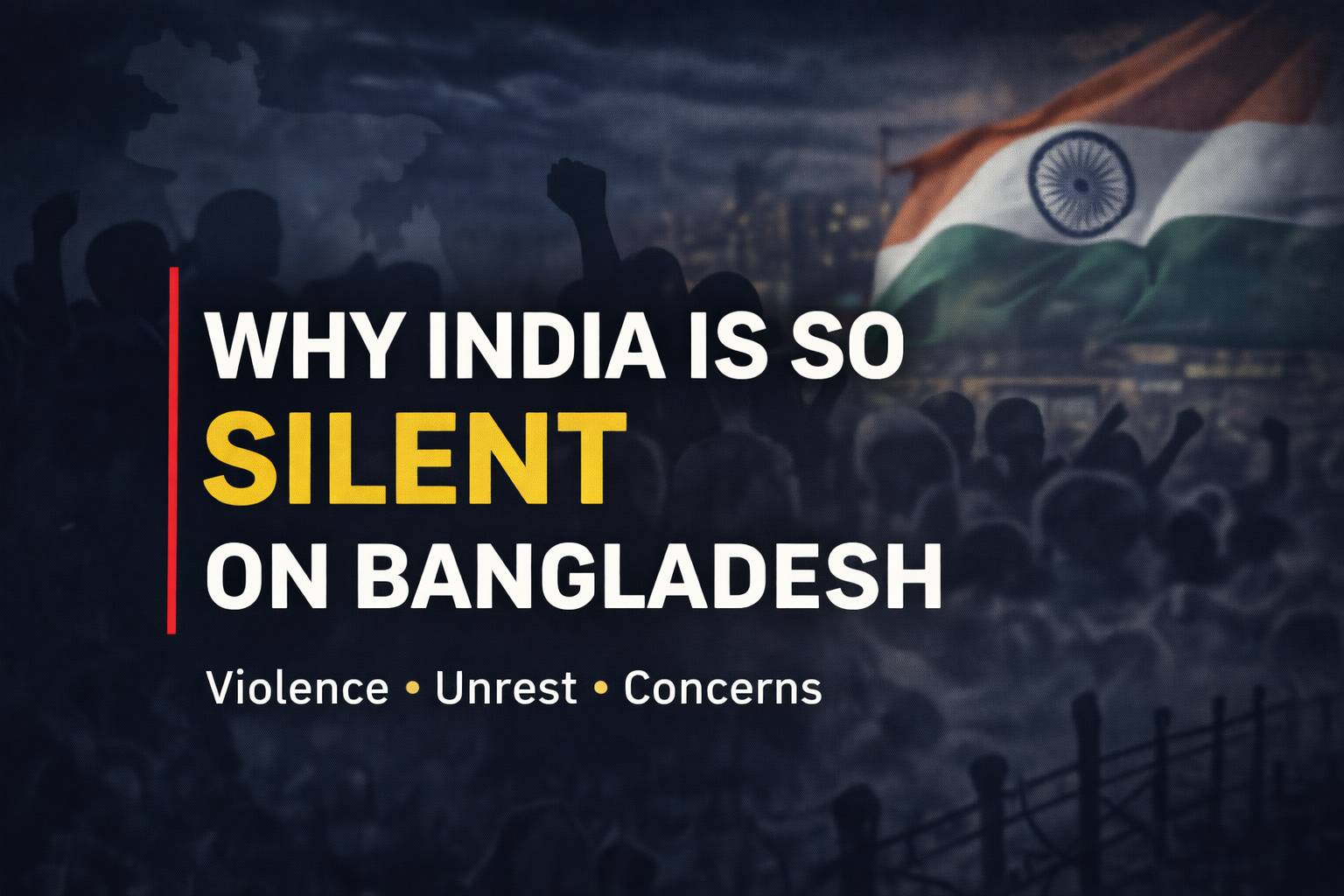
Violence in Bangladesh: Growing Unrest In Bangladesh Raises Regional and Humanitarian Concerns
Bangladesh is facing a growing wave of unrest, marked by street violence, political instability, and increasing anxiety among ordinary citizens. Recent events, including explosions in urban areas, clashes during protests, and attacks on public symbols, have heightened concerns about the country’s internal security and social cohesion. What initially appeared to be isolated incidents are now being viewed as part of a larger pattern of instability.
According to local reports, protests erupted in parts of the capital and several other cities, quickly escalating into violence. Law enforcement agencies have been deployed to control the situation, but the recurring nature of the violence suggests deeper structural tensions. Political polarization, economic strains, and declining trust in institutions have contributed to an environment where unrest can erupt with little warning.
Minority and Vulnerable Communities Under Pressure (Violence in Bangladesh)
One of the most troubling aspects of the current situation is the fear expressed by minority communities. Reports of intimidation, vandalism, and targeted threats have emerged, creating an atmosphere of insecurity. While the government has stated its commitment to protecting all citizens regardless of religion or ethnicity, the reality on the ground suggests that the application of the law remains uneven.
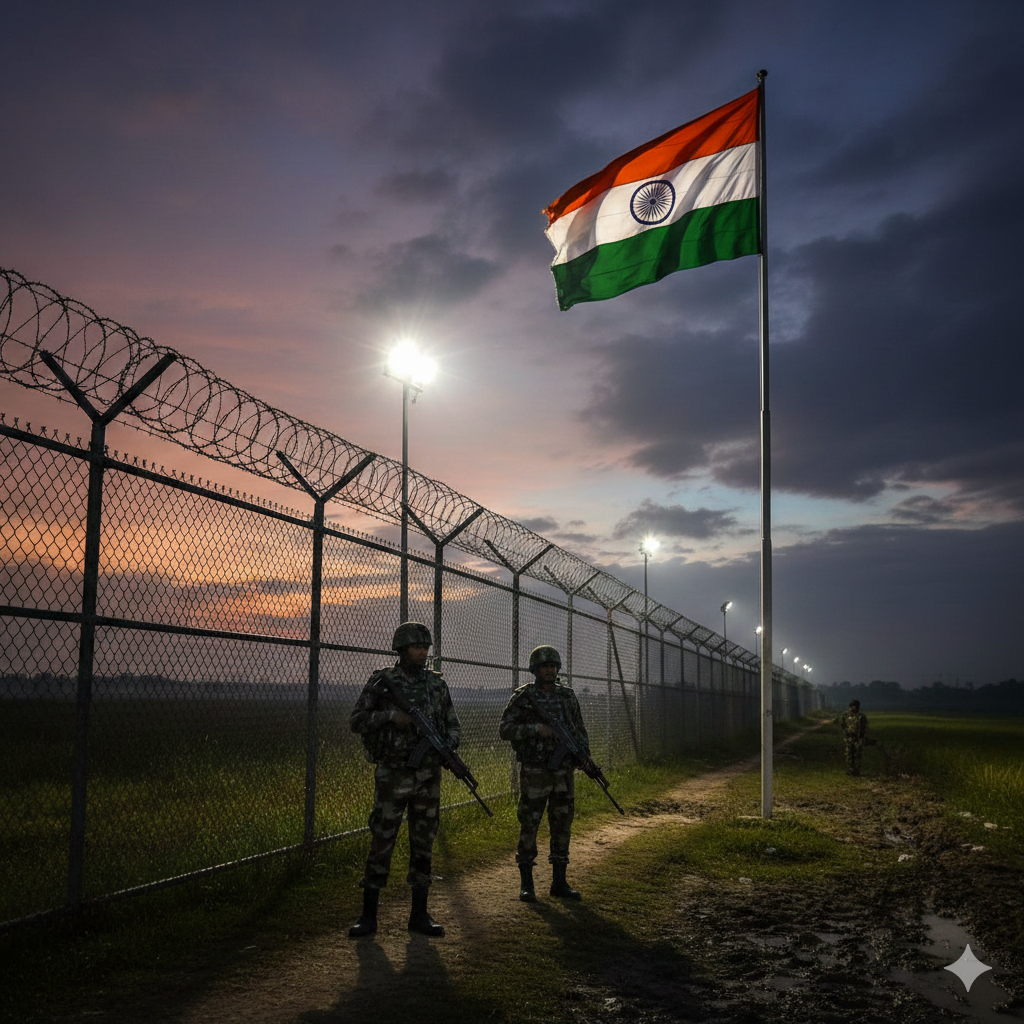
Human rights observers have noted that minorities often become collateral damage during times of political upheaval. The situation in Bangladesh reflects this broader regional pattern, where instability exacerbates existing social divisions. Ensuring the safety of vulnerable groups will be a crucial test of the state’s ability to restore trust and order.
Political Instability and Erosion of Trust(Violence in Bangladesh)
Bangladesh’s political landscape has long been deeply divided, but the current phase represents a more dangerous escalation. The destruction of historical symbols and violent confrontations point to a decline in respect for shared national narratives. When political disagreements spill from debate into the streets, the consequences are rarely confined to politics alone; economic activity, education, and daily life are all affected.
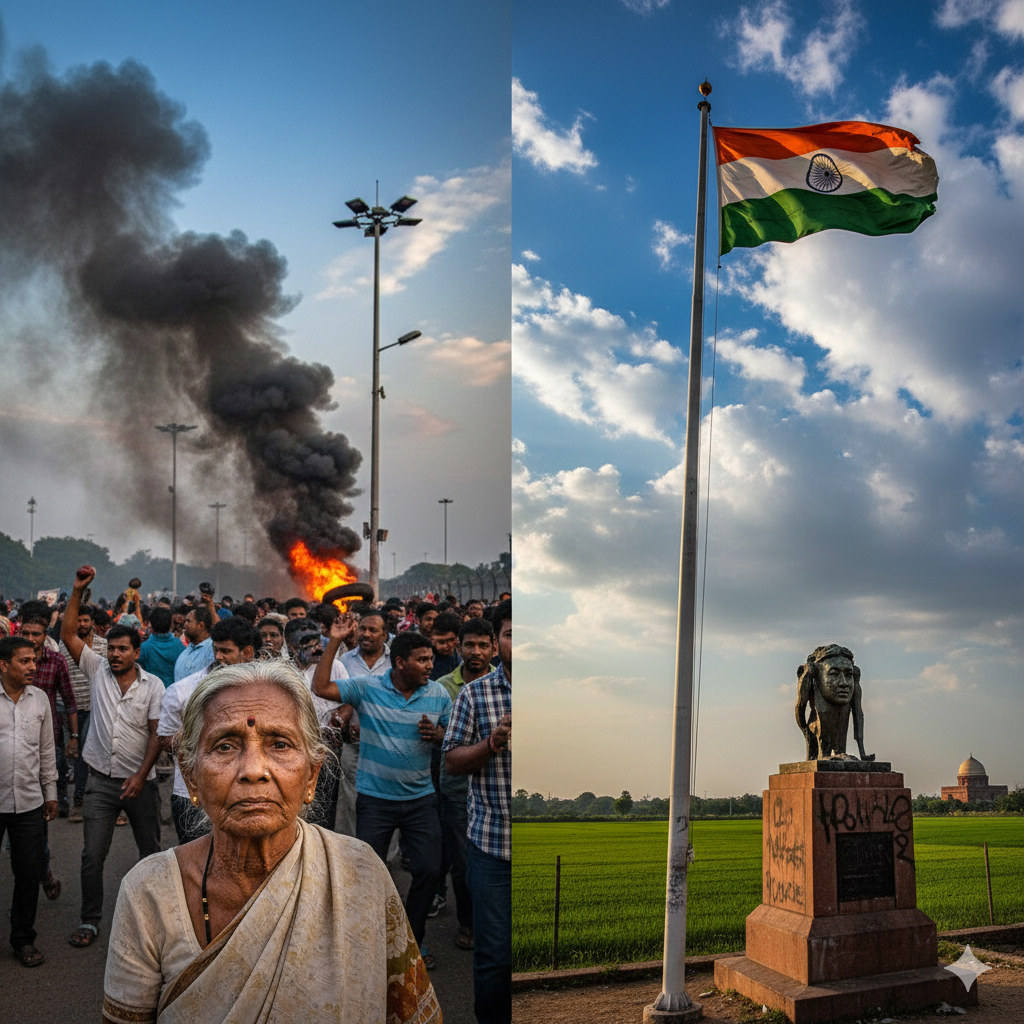
The lack of constructive dialogue between opposing forces has further narrowed the space for peaceful resolution. Analysts warn that without meaningful engagement and reform, the cycle of protest and repression could continue, deepening public frustration.
Regional Implications for South Asia
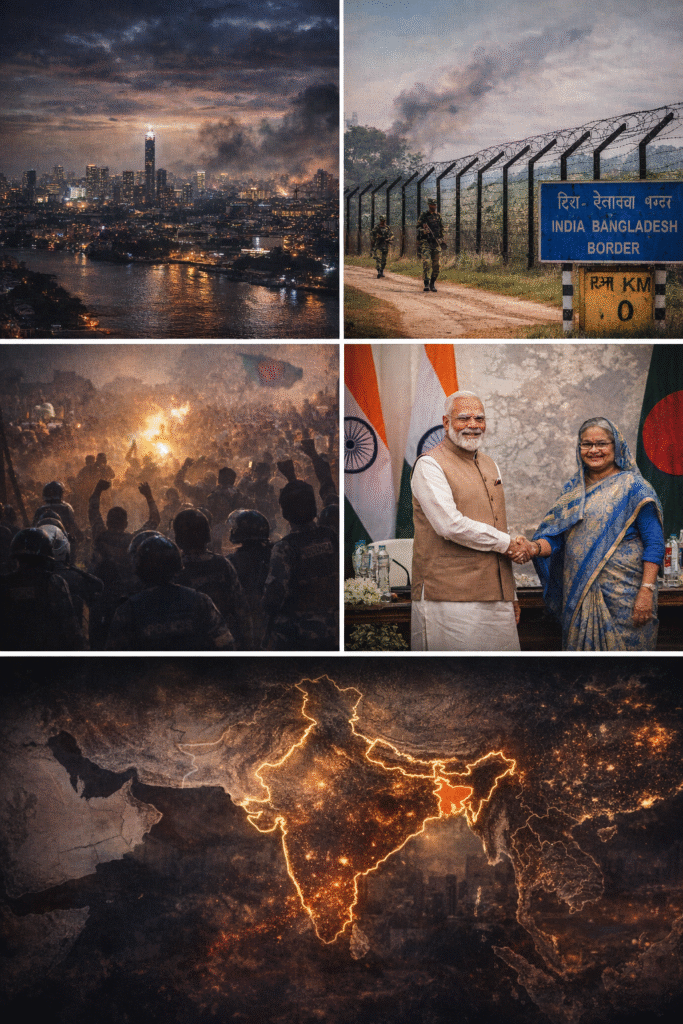
The instability in Bangladesh is not isolated. As a major country in South Asia, developments there inevitably impact neighbouring states, particularly India. Concerns related to border security, migration pressures, and disruptions to regional trade are already being discussed by policy experts.
A prolonged crisis could strain bilateral relations and complicate regional cooperation efforts. Stability in Bangladesh has historically been a crucial factor in maintaining equilibrium in eastern South Asia, making the current unrest a matter of regional significance, not merely a domestic issue.
The Need for Responsible Dialogue and Measured Steps
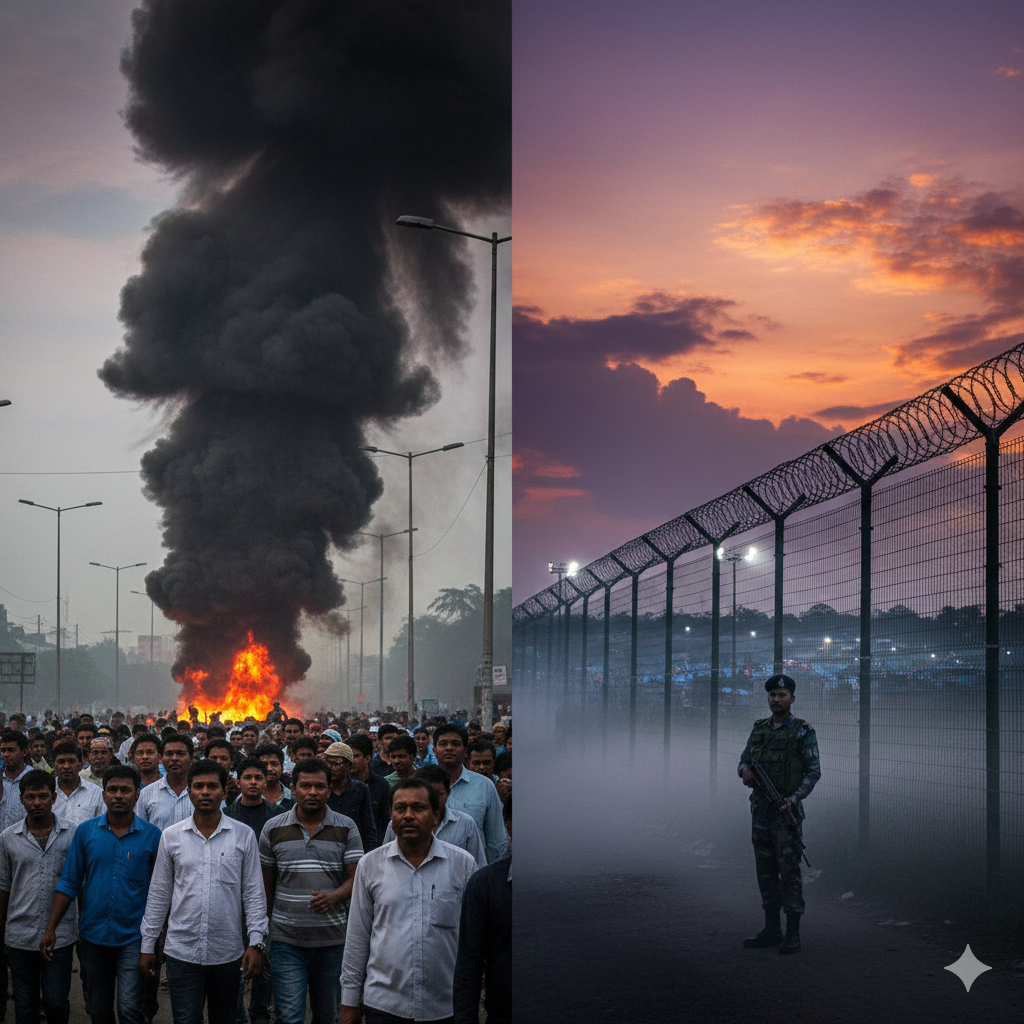
In times like these, the role of responsible leadership and credible information becomes paramount. Misinformation and inflammatory rhetoric can exacerbate tensions domestically and internationally. Clear communication from authorities, independent reporting, and restraint from political actors are essential to prevent further escalation.
From a humanitarian perspective, the safety of citizens must be the priority. Restoring law and order is necessary, but it must be accompanied by efforts to build trust, address grievances, and protect fundamental rights.
Conclusion
The violence unfolding in Bangladesh serves as a stark reminder of how quickly political and social pressures can destabilize a nation. While the immediate challenge is to contain the unrest, the long-term solution will depend on inclusive governance, institutional credibility, and respect for diversity. For the entire region, stability in Bangladesh is not an option it is a necessity.
As events unfold, careful observation, honest dialogue, and a focus on the human consequences will be crucial. Silence or trying to simplify things will only deepen the crisis.
Why India Is So Silent on Bangladesh